How the Oculomotor System Is Tested During a Concussion Exam in Kansas City
Testing the oculomotor system is a key part of a thorough concussion exam. Kansas City chiropractor Dr. Lance Stevenson explains how this assessment helps identify issues for patients in Overland Park, North Kansas City, and Liberty.
Lance Stevenson, DC
11/7/20253 min read

How the Oculomotor System Is Tested During a Concussion Exam in Kansas City
After a concussion, one of the most common — and most disruptive — symptoms patients report is visual discomfort. Blurred vision, eye strain, difficulty reading, and sensitivity to motion or screens are all signs of oculomotor dysfunction.
At our Kansas City injury clinic, Dr. Lance Stevenson, DC evaluates every concussion patient for oculomotor problems, especially those injured in car accidents around North Kansas City, Lee’s Summit, Liberty, and Overland Park. A thorough eye movement exam is essential for diagnosing the cause of symptoms and tailoring an effective rehab plan.
What Is the Oculomotor System?
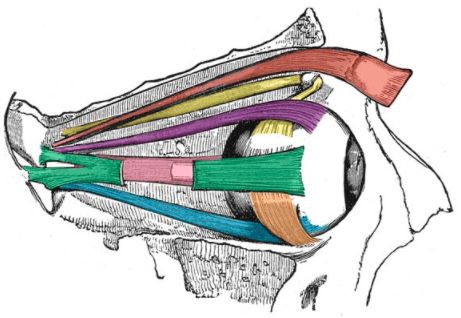
Your oculomotor system controls how your eyes move, focus, and work together. It includes:
Smooth pursuit (tracking moving objects)
Saccades (quick, targeted eye movements)
Vergence (both eyes moving inward together)
Accommodation (focusing on near and far targets)
Vestibulo-ocular reflex (VOR) (stabilizing your gaze during head motion)
Even small disruptions in this system after a concussion can cause big symptoms — especially when trying to read, drive, work on screens, or walk in visually busy environments.
How We Test the Oculomotor System After a Concussion
A standard eye chart is not enough. Our functional oculomotor evaluation includes:
1. Smooth Pursuits
We have the patient follow a slowly moving target with their eyes, looking for jerky or broken movements, which suggest poor tracking ability.
2. Saccades
We ask the patient to rapidly shift their gaze between two fixed points. Overshooting, undershooting, or delayed responses indicate oculomotor control issues.
3. Near Point of Convergence (NPC)
This measures how close a patient can bring a target toward their nose before seeing double or losing focus. A “normal” NPC is within 5 cm. Anything farther may point to convergence insufficiency, which affects reading and depth perception.
4. Vestibulo-Ocular Reflex (VOR) Testing
By moving the head while keeping the eyes fixed on a target, we can assess how well the eyes compensate for motion. Poor VOR can result in motion sensitivity and blurry vision during walking or driving.
5. Visual Motion Sensitivity
This evaluates how well a patient tolerates visual environments like scrolling screens, crowded stores, or moving traffic. Many post-concussion patients develop visual vertigo or anxiety triggered by motion.
6. Cover/Uncover and Cross-Cover Tests
These screen for subtle eye misalignments (phorias or tropias) that can cause visual fatigue, double vision, or balance problems — especially in dim light or when tired.
Symptoms Linked to Oculomotor Dysfunction
If your oculomotor system is not working properly after a concussion, you may experience:
Headaches after screen use or reading
Eye strain or fatigue
Blurry or double vision
Difficulty focusing on moving objects
Light sensitivity
Poor depth perception
Feeling overwhelmed in visually complex environments
What Happens Next? Oculomotor Rehabilitation
If we identify oculomotor dysfunction in your post-concussion exam, your rehab plan may include:
Eye tracking and convergence exercises
Visual motion tolerance training
Integration with vestibular and cervical spine rehab
Modified work or school accommodations during recovery
Gradual re-exposure to visual stimuli (screens, stores, traffic)
This multi-system approach is especially effective for students, professionals, and drivers across Kansas City, Parkville, Shawnee, and Independence who rely heavily on visual function.
Get the Right Concussion Testing in Kansas City
Don’t let eye strain, headaches, or visual fog keep you from healing. At our Kansas City clinic, Dr. Lance Stevenson, DC performs full concussion evaluations that include the cervical spine, vestibular, and oculomotor systems — because all three work together.
If you've been in a car accident or are still experiencing symptoms from a recent concussion, call 816-226-7476 today to schedule your consultation with Kansas City’s trusted concussion chiropractor.
Special thanks to Complete Concussions for their training and educational resources. To learn more about comprehensive concussion treatment options, visit completeconcussions.com.
Disclaimer:
This blog is for educational purposes only and is not intended to diagnose, treat, or replace medical advice. If you have experienced a concussion or other injury, please consult a qualified healthcare provider. Always follow the advice and treatment plan given by your medical professional.

Been in an Accident? Schedule Your Free Consultation
Auto Accident Injury Specialists - Call Now!
Expert Personal Injury Care
Whiplash Chiropractor in Kansas City
Lance@ChiroKC.com
816-226-7476
© 2025 Lance Stevenson, DC, LLC. All rights reserved.
Disclaimer: The content provided on this page is for informational and educational purposes only and is not intended as a substitute for professional medical, legal, or insurance advice. While every effort is made to provide accurate and up-to-date information, it should not be relied upon as the sole basis for decisions regarding your health, legal matters, or insurance claims. Please consult with your healthcare provider, attorney, insurance company, or other relevant professionals for personalized guidance tailored to your specific situation.
1010 Carondelet Dr., Suite 416
Kansas City, MO 64114