How We Test and Identify Dysautonomia After Concussion — Kansas City’s Concussion Specialist Explains
This blog explains how dysautonomia is identified after a concussion and why proper testing is essential for Kansas City patients. Readers will learn how HRV measurements, orthostatic vital testing, and functional assessments reveal autonomic nervous system dysfunction and guide personalized recovery plans with Dr. Lance Stevenson, DC.
Lance Stevenson, DC
4/23/20262 min read
How We Test and Identify Dysautonomia After Concussion — Kansas City’s Concussion Specialist Explains
What Is Dysautonomia and Why Testing Matters After a Concussion
Dysautonomia happens when the autonomic nervous system stops regulating automatic functions correctly. This can affect heart rate, blood pressure, digestion, breathing, temperature control, and overall stress response. After a concussion, many patients in Kansas City develop some form of dysautonomia, but it often goes undiagnosed because the symptoms look similar to other post-concussion issues.
At our Kansas City concussion clinic, Dr. Lance Stevenson, DC uses detailed autonomic testing to identify these changes early so patients get a treatment plan that matches their specific nervous system needs.
Testing That May be Used to Identify Dysautonomia
1. Heart Rate Variability Testing (HRV)
HRV shows how well the autonomic nervous system adapts to stress. Low HRV is common after a concussion and can signal reduced parasympathetic activity, sympathetic dominance, and delayed recovery. Tracking HRV helps us understand how the brain and nervous system are functioning over time.
2. Orthostatic Heart Rate and Blood Pressure Testing
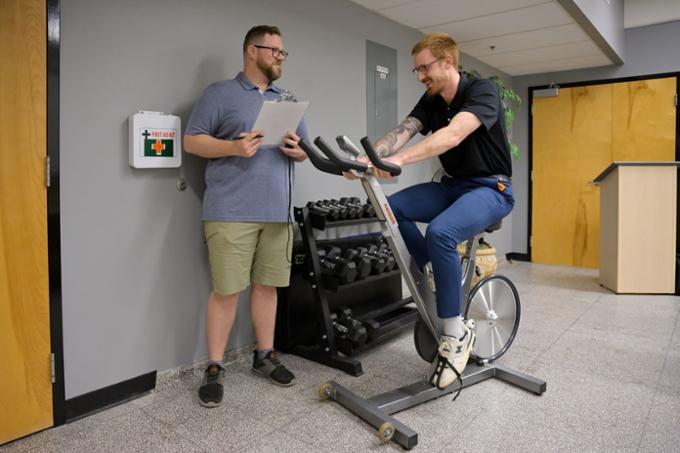
We measure your heart rate and blood pressure during position changes such as lying down, sitting, and standing. Large jumps or drops can indicate orthostatic intolerance or POTS, two frequent forms of dysautonomia seen in post concussion patients throughout Kansas City, Overland Park, Lee’s Summit, and surrounding areas.
3. Symptom Questionnaires and Functional Assessments
Standardized assessments help us identify how dysautonomia affects daily activities like driving, working, exercise tolerance, and concentration. This information allows us to design a personalized recovery plan.
Why an Accurate Diagnosis Makes Recovery Faster
When dysautonomia is identified early, we can target the underlying autonomic imbalance instead of only treating symptoms. Patients often experience improvements in fatigue, dizziness, brain fog, exercise tolerance, and overall quality of life once the autonomic system is addressed. Accurate testing also helps reduce the risk of long lasting post concussion symptoms.
How Dr. Lance Stevenson, DC Helps Kansas City Patients with Dysautonomia
Based on your test results, treatment may include:
• Exercise With Oxygen Therapy (EWOT)
• Vagus nerve stimulation and breathwork strategies
• Graded activity and exertion programs
• Nutritional supplements to support nervous system health
• Coordination with additional medical providers when needed
Every plan is customized to help your brain and autonomic system restore proper balance.
Take the First Step Toward Answers
If you are dealing with dizziness, fatigue, rapid heartbeat, temperature sensitivity, or digestive changes after a concussion, dysautonomia may be affecting your recovery.
Call 816-226-7476 to schedule your free consultation with Dr. Lance Stevenson, DC, Kansas City’s concussion specialist. Let us help you find out whether autonomic dysfunction is slowing your healing.
Been in an Accident? Start Here.
Call us today for a free consultation or with any questions.
Expert Personal Injury Care
Whiplash Chiropractor in Kansas City
Lance@ChiroKC.com
816-226-7476
© 2025 Lance Stevenson, DC, LLC. All rights reserved.
Disclaimer: The content provided on this page is for informational and educational purposes only and is not intended as a substitute for professional medical, legal, or insurance advice. While every effort is made to provide accurate and up-to-date information, it should not be relied upon as the sole basis for decisions regarding your health, legal matters, or insurance claims. Please consult with your healthcare provider, attorney, insurance company, or other relevant professionals for personalized guidance tailored to your specific situation.
1010 Carondelet Dr., Suite 416
Kansas City, MO 64114