Occipital Lobe Trauma After TBI: Why Vision Problems Are So Common in Kansas City Concussion Patients
If you’re dealing with vision problems after a head injury, the occipital lobe may be involved. Kansas City chiropractor Dr. Lance Stevenson explains how occipital lobe trauma affects patients across Leawood, Parkville, and North Kansas City—and why vision symptoms are so common after TBI.
Lance Stevenson, DC
10/31/20254 min read
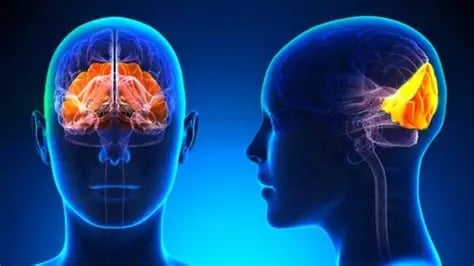

Occipital Lobe Trauma After TBI: Why Vision Problems Are So Common in Kansas City Concussion Patients
After a concussion or traumatic brain injury (TBI), many patients experience unexplained visual symptoms: blurry vision, light sensitivity, difficulty reading, or feeling overwhelmed in busy environments. These are often traced back to damage in the occipital lobe — the brain’s visual processing center.
At our Kansas City clinic, we evaluate and treat patients from Overland Park, Lee’s Summit, North Kansas City, Raytown, Shawnee, and surrounding cities who are still dealing with the visual consequences of brain trauma long after their injury.
What Does the Occipital Lobe Do?
The occipital lobe is located at the very back of the brain and is responsible for:
Processing visual input from the eyes
Interpreting shape, size, color, and motion
Mapping peripheral and central vision
Recognizing patterns, objects, and faces
Integrating vision with other senses
The eyes send raw visual data to the occipital lobe, which turns it into recognizable, usable information. Without this processing, even perfect vision from the eyes won’t make sense to the brain.
Why Is the Occipital Lobe Prone to Injury During Concussion?
The back of the skull is curved and hard. When the head is jolted — even without direct impact — the brain can bounce against the inside of the skull, injuring the occipital lobe.
This commonly occurs with:
Rear-end car accidents or whiplash injuries
Falls onto the back of the head
Rotational brain trauma, which stretches the visual pathways
Coup-contrecoup injuries, where the brain slams into both the front and back of the skull
Occipital damage is often underdiagnosed because standard vision tests (eye chart exams) don’t evaluate how the brain processes what the eyes see.
Symptoms of Occipital Lobe Injury After TBI
Blurred or double vision (with no optical cause)
Difficulty reading or tracking moving text
Light sensitivity (photophobia)
Visual field cuts or blind spots
Trouble recognizing faces or objects
Hallucinations or visual distortions
Overwhelm in visually busy environments (grocery stores, traffic)
Many of these symptoms are not due to eye damage, but to how the brain processes information after trauma.
How We Evaluate Occipital Function in Kansas City Concussion Patients
Our team performs specialized assessments to identify visual processing issues, including:
Eye movement testing (saccades, pursuits, convergence)
Visual field screening
Vestibulo-ocular reflex testing
Visual memory and recognition tasks
Functional vision exams in real-world environments
Symptom correlation with environmental triggers (lights, screens, motion)
We map these findings back to the occipital lobe and visual pathways to create a customized recovery plan.
How We Treat Occipital Lobe Dysfunction After Concussion
If visual processing deficits are found, our Kansas City team may include:
Oculomotor training to improve eye movement coordination
Light sensitivity protocols with gradual desensitization
Visual tracking drills to improve reading fluency
Balance-vision integration therapy (especially if dizziness is also present)
Targeted visual rehab exercises customized to the patient’s symptoms
Home-based visual exercises to reinforce treatment progress
We also coordinate care with neuro-optometrists or vision therapy specialists when necessary.
Why These Symptoms Are Often Dismissed
Patients are often told their symptoms are due to “post-concussion syndrome” or are unrelated to the brain injury. But many visual symptoms — especially those that don’t show up on an eye exam — point to an underlying occipital lobe injury.
We’ve helped patients from Blue Springs, Gladstone, Belton, Independence, Grandview, and beyond recover function after months (or years) of untreated visual dysfunction.
Don’t Settle for "Your Eyes Look Fine" When You’re Still Struggling
If your vision hasn’t been right since your concussion, it’s time to evaluate whether your brain — not your eyes — is the root of the problem.
Call Dr. Lance Stevenson at 816-226-7476 today to schedule a complete post-TBI evaluation that includes your brain’s visual processing system. We help patients across the Kansas City metro area recover clarity, coordination, and confidence after brain injury.
Special thanks to Complete Concussions for their training and educational resources. To learn more about comprehensive concussion treatment options, visit completeconcussions.com.
Disclaimer:
This blog is for educational purposes only and is not intended to diagnose, treat, or replace medical advice. If you have experienced a concussion or other injury, please consult a qualified healthcare provider. Always follow the advice and treatment plan given by your medical professional.
top-Rated auto accident injury Chiropractors & car accident Doctors in kansas city
Personal Injury Chiropractors Serving Missouri and Kansas Patients
Looking for a Chiropractor Near Me? A Car Accident Chiropractor in Kansas City who specializes in auto injuries? Dr. Lance Stevenson, DC, has managed over 4,000 car accident cases and brings 12+ years of clinical experience treating whiplash, concussions, back pain, and more.
Same-day appointments and walk-ins available—because you shouldn’t have to wait when you’re in pain.
Call Now to Schedule Your Free Consultation
Whiplash Chiropractor in Kansas City
Lance@ChiroKC.com
816-226-7476
© 2025 Lance Stevenson, DC, LLC. All rights reserved.
Disclaimer: The content provided on this page is for informational and educational purposes only and is not intended as a substitute for professional medical, legal, or insurance advice. While every effort is made to provide accurate and up-to-date information, it should not be relied upon as the sole basis for decisions regarding your health, legal matters, or insurance claims. Please consult with your healthcare provider, attorney, insurance company, or other relevant professionals for personalized guidance tailored to your specific situation.
1010 Carondelet Dr., Suite 416
Kansas City, MO 64114