What Are the Grades of Brain Injury? Understanding Mild, Moderate, and Severe TBI
Brain injuries are classified into mild, moderate, and severe grades, each with unique challenges. Kansas City chiropractor Dr. Lance Stevenson breaks down these differences for patients in Blue Springs, Raytown, and Shawnee seeking a clearer understanding of their TBI.
Lance Stevenson, DC
10/12/20253 min read

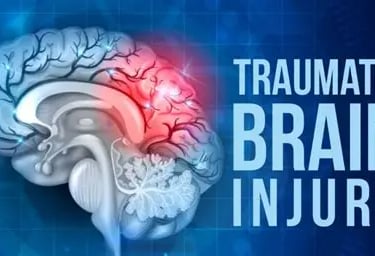
What Are the Grades of Brain Injury? Understanding Mild, Moderate, and Severe TBI in Kansas City
Traumatic brain injuries (TBIs) range widely in severity. Some people experience brief confusion or headache, while others may lose consciousness for hours and require long-term rehabilitation. Understanding the grades of brain injury can help patients, families, and medical providers develop the right treatment plan.
At our Kansas City clinic, we help patients from Overland Park, Liberty, Raytown, Shawnee, Blue Springs, and The Plaza navigate their recovery based on the type and severity of their brain injury.
The Three Main Grades of Brain Injury
Traumatic brain injuries are classified into mild, moderate, and severe categories. These grades are determined by a combination of clinical signs, imaging findings, and tools like the Glasgow Coma Scale (GCS).
1. Mild Traumatic Brain Injury (mTBI)
This is the most common type of brain injury—and includes what is typically referred to as a concussion.
Criteria may include:
Loss of consciousness for 0–30 minutes (or none at all)
GCS score of 13–15
Brief confusion or disorientation
Memory loss lasting less than 24 hours
Normal structural brain imaging (CT or MRI)
Common symptoms:
Dizziness
Nausea
Sensitivity to light/noise
Cognitive changes (foggy thinking, memory problems)
Sleep disturbances
Many patients recover fully within weeks, but others develop post-concussion syndrome, especially if left untreated.
2. Moderate Traumatic Brain Injury
This grade reflects more substantial injury to the brain and often results in longer-lasting symptoms.
Criteria may include:
Loss of consciousness for 30 minutes to 24 hours
GCS score of 9–12
Post-traumatic amnesia lasting 1 to 7 days
Evidence of structural brain changes on imaging (e.g., bleeding, swelling)
Possible effects:
More significant cognitive impairment
Visual or motor coordination issues
Difficulty with speech or language
Emotional and behavioral changes
Longer recovery times, often requiring therapy and rehab
Patients in North Kansas City, Parkville, Belton, and Gladstone with moderate TBIs often need a multidisciplinary team approach for full recovery.
3. Severe Traumatic Brain Injury
Severe TBIs are life-threatening injuries that require emergency care and ongoing support.
Criteria may include:
Loss of consciousness for more than 24 hours
GCS score of 3–8
Post-traumatic amnesia lasting more than 7 days
Major abnormalities on imaging (e.g., hemorrhage, skull fracture, brain swelling)
Possible long-term complications:
Physical disability
Cognitive deficits
Personality or behavioral changes
Communication and language impairment
Need for assisted living or long-term therapy
These injuries are often caused by high-speed motor vehicle accidents, falls from significant height, or penetrating trauma.
Why the Grade of Brain Injury Matters
The severity of the injury influences everything from:
The treatment plan
Time away from work or school
Therapy needs (physical, cognitive, vestibular)
Legal or insurance documentation
Prognosis and long-term expectations
Even a mild TBI can have lasting effects if it’s not properly managed—especially in cases of repeat injuries or delayed treatment.
Helping Kansas City Patients Recover at Every Stage
Whether you experienced a mild concussion from a car accident in Lee’s Summit or are managing the long-term effects of a moderate brain injury from a fall in Independence, we provide customized care that evolves with your healing process.
⚠️ This content is for educational purposes only and is not a substitute for professional medical advice. Always consult with your healthcare provider to determine the severity of your brain injury and appropriate treatment options.
Call Dr. Lance Stevenson at 816-226-7476 to schedule a comprehensive brain injury evaluation. We serve patients throughout Kansas City and surrounding communities with advanced neurological care tailored to your recovery goals.
Special thanks to Complete Concussions for their training and educational resources. To learn more about comprehensive concussion treatment options, visit completeconcussions.com.
Disclaimer:
This blog is for educational purposes only and is not intended to diagnose, treat, or replace medical advice. If you have experienced a concussion or other injury, please consult a qualified healthcare provider. Always follow the advice and treatment plan given by your medical professional.

Been in an Accident? Schedule Your Free Consultation
Auto Accident Injury Specialists - Call Now!
Expert Personal Injury Care
Whiplash Chiropractor in Kansas City
Lance@ChiroKC.com
816-226-7476
© 2025 Lance Stevenson, DC, LLC. All rights reserved.
Disclaimer: The content provided on this page is for informational and educational purposes only and is not intended as a substitute for professional medical, legal, or insurance advice. While every effort is made to provide accurate and up-to-date information, it should not be relied upon as the sole basis for decisions regarding your health, legal matters, or insurance claims. Please consult with your healthcare provider, attorney, insurance company, or other relevant professionals for personalized guidance tailored to your specific situation.
1010 Carondelet Dr., Suite 416
Kansas City, MO 64114