What Is VRT? Understanding Vestibular Rehabilitation Therapy After a Concussion
Vestibular Rehabilitation Therapy (VRT) helps patients recover balance and reduce dizziness after a concussion. Kansas City chiropractor Dr. Lance Stevenson explains how VRT benefits those in Shawnee, Grandview, and Belton working toward better vestibular health.
Lance Stevenson, DC
11/19/20252 min read
What Is VRT? Understanding Vestibular Rehabilitation Therapy After a Concussion
If you’re dealing with dizziness, balance issues, or motion sensitivity after a concussion or car accident, you may have been told you need VRT — but what exactly is it?
VRT stands for Vestibular Rehabilitation Therapy, a specialized form of physical therapy that helps retrain the brain and inner ear after injury. At our Kansas City concussion clinic, Dr. Lance Stevenson, DC uses VRT to help patients recover from post-concussion symptoms that just won’t go away with rest alone.
What Does the Vestibular System Do?
Your vestibular system is your body’s internal GPS. It’s made up of structures in your inner ear, brainstem, cervical spine, and eye muscles, all working together to:
Maintain balance
Stabilize vision during movement (via the VOR)
Sense head and body position
Coordinate motion and posture
After a concussion or whiplash injury — especially from a car accident — this system can become disrupted, causing persistent symptoms like:
Dizziness or vertigo
Nausea with motion
Difficulty walking in busy environments
Sensitivity to light or sound
Brain fog and fatigue after visual tasks
Anxiety triggered by movement
What Is Vestibular Rehabilitation Therapy (VRT)?
VRT is a customized exercise-based program designed to:
Reduce dizziness and motion sensitivity
Improve balance and coordination
Restore visual clarity during movement
Retrain how the brain processes movement and head position
Help you feel more confident walking, driving, or working again
VRT isn’t just general physical therapy. It’s a targeted neurological approach based on how the inner ear, eyes, and body work together — especially important after concussion, whiplash, or postural instability.
Common VRT Exercises Include:
✅ Gaze Stabilization Drills
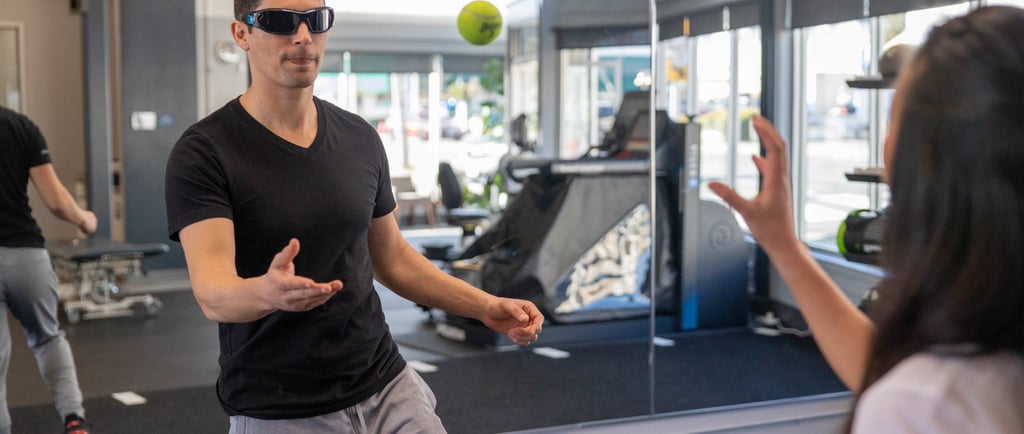
Patients fix their eyes on a target while moving their head side to side or up and down — retrains the vestibulo-ocular reflex (VOR)
✅ Balance Training
Using foam surfaces, eyes-closed challenges, or dynamic movements to improve postural control and proprioception
✅ Visual-Vestibular Integration
Combining head motion with visual tracking to reduce motion sensitivity
✅ Habituation Exercises
Gradual exposure to movements that provoke symptoms (like rolling in bed or riding in cars) to retrain tolerance
✅ Walking and Turning Drills
Improving navigation in busy or stimulating environments, like grocery stores or school hallways
Every plan is customized based on your specific deficits, especially if you're recovering from an auto accident in areas like Overland Park, Independence, Shawnee, or Grandview.
Who Needs VRT?
VRT is ideal for patients with:
Concussions or mild traumatic brain injuries (mTBI)
Whiplash injuries with dizziness
Benign Paroxysmal Positional Vertigo (BPPV)
Cervicogenic dizziness
Vestibular migraines
Unexplained dizziness after a car accident
If you feel dizzy, unstable, or uncomfortable in visually stimulating places like stores, parking lots, or screens — you may benefit from VRT.
Get VRT in Kansas City with Dr. Lance Stevenson, DC
At our Kansas City clinic, Dr. Lance Stevenson offers complete vestibular evaluations and individualized VRT plans for patients recovering from concussions and car crashes. If your symptoms haven’t improved with rest or medication, VRT may be the missing piece of your recovery.
Call 816-226-7476 today to schedule your post-concussion evaluation and get started with Vestibular Rehabilitation Therapy from Kansas City’s trusted personal injury chiropractor.
Special thanks to Complete Concussions for their training and educational resources. To learn more about comprehensive concussion treatment options, visit completeconcussions.com.
Disclaimer:
This blog is for educational purposes only and is not intended to diagnose, treat, or replace medical advice. If you have experienced a concussion or other injury, please consult a qualified healthcare provider. Always follow the advice and treatment plan given by your medical professional.

Been in an Accident? Schedule Your Free Consultation
Auto Accident Injury Specialists - Call Now!
Expert Personal Injury Care
Whiplash Chiropractor in Kansas City
Lance@ChiroKC.com
816-226-7476
© 2025 Lance Stevenson, DC, LLC. All rights reserved.
Disclaimer: The content provided on this page is for informational and educational purposes only and is not intended as a substitute for professional medical, legal, or insurance advice. While every effort is made to provide accurate and up-to-date information, it should not be relied upon as the sole basis for decisions regarding your health, legal matters, or insurance claims. Please consult with your healthcare provider, attorney, insurance company, or other relevant professionals for personalized guidance tailored to your specific situation.
1010 Carondelet Dr., Suite 416
Kansas City, MO 64114